What Rekeying Actually Does to Your Lock
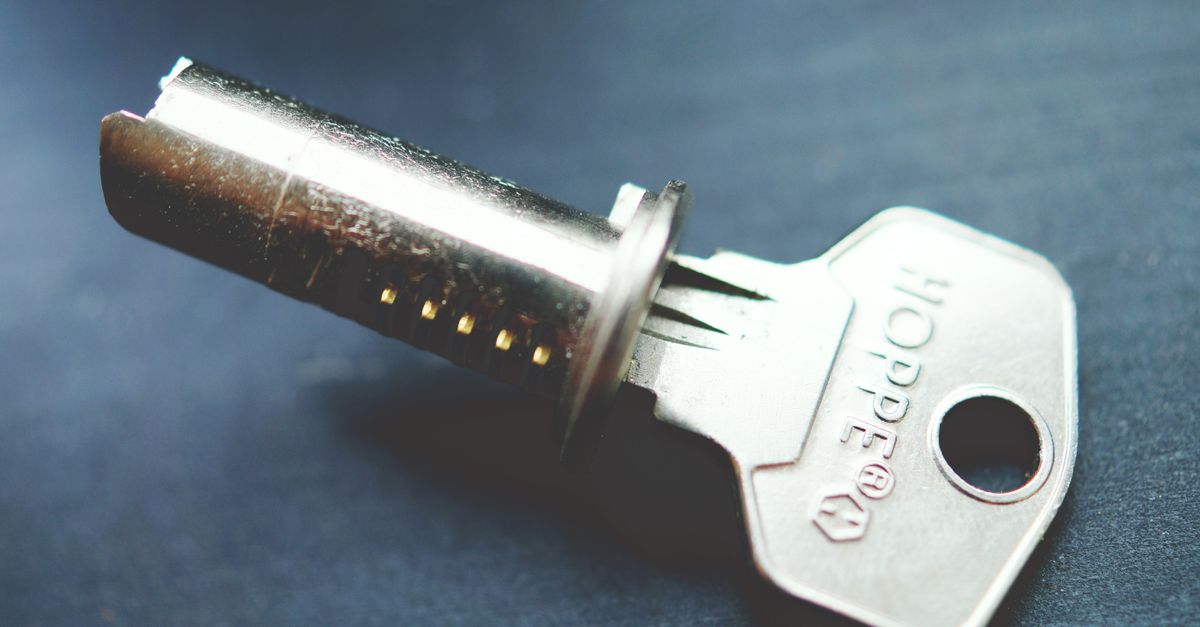
Inside every pin-tumbler lock — whether it is a standard deadbolt, a door knob lock, or a heavy-duty mortise lock — sits a row of spring-loaded driver and key pins. When the correct key enters the cylinder, the gap between each pair of pins lines up perfectly at the shear line and the cylinder rotates. Rekeying replaces only those small internal pins with a new set sized to match a brand-new key. The lock body, the hardware, the finish, and the door prep stay completely untouched. Once our technician is done, every previous key — the one handed to a former tenant, the spare left with an old neighbor, or the copy that went missing — is mechanically useless. It simply will not move the cylinder.
This is important to understand because rekeying is not a workaround or a temporary fix. It is the same security outcome you would get from installing a brand-new lock, applied to hardware you already own and trust. For high-quality lock brands like Schlage or Kwikset that are already installed and performing well, rekeying is usually the smarter path. Our technicians carry pin kits sized for the most common residential and light-commercial cylinders found throughout Brampton, so the work is typically completed at your door in under an hour.